Key takeaways
- Filters, brushes, tracks, and O-ring kits are cheap, shelf stable, and worth stocking before they actually fail.
- A cord assembly or battery pack is worth pricing out in advance even if you do not buy one yet, since both fail suddenly.
- Motors and main boards live in sealed housings and are better left to a service bench than a home repair.
- Always order by model number rather than by photo match, since a millimeter of difference can keep a part from seating.
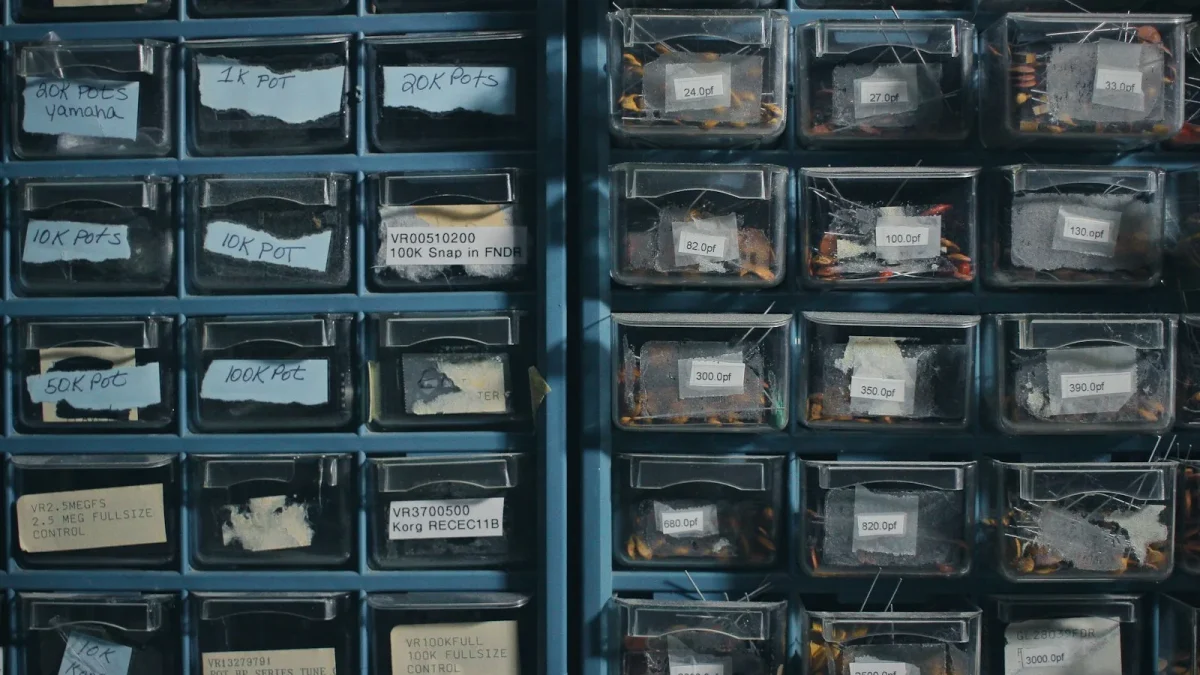
- A basic parts shelf runs about seventy to one hundred fifty dollars and prevents most mid-season emergencies.
Forty two dollars. That is roughly what sat in a bin on my garage shelf at any given time, covering a spare filter set, a spare brush set, and a handful of O-rings. It is the cheapest insurance policy in this entire hobby.
A customer learned the alternative the hard way. Her two year old Dolphin Nautilus CC Plus went down on a July Friday with blinded filter media, a twelve dollar problem with no spare on hand. Between a holiday weekend and backordered stock, the pool sat unfiltered by the robot for eleven days.
Every part on a pool robot falls into one of three piles: stock it before you need it, price it out and order when the day comes, or leave it to a bench entirely. Here is how to sort your own shelf.
Why a stocked shelf beats overnight shipping
Robots fail in predictable places. Filters, brushes, tracks, and seals wear on a schedule you can estimate from hours of use, not a mystery you discover the morning guests arrive.
Those same parts also sit on a shelf for years without degrading much, unlike fresh produce or a car battery. A spare filter set bought in March is exactly as good in August, so there is little real cost to buying early beyond the money itself.
The failure mode that actually costs you is timing, not the part price. A twelve dollar filter panel becomes an eleven day green pool when nobody stocked one, and that gap is the entire argument for a shelf.
Stock these without a second thought
Four categories earn a permanent spot in the bin, because they wear on a schedule and every day without one is a day the robot runs worse or not at all.
| Part | Why stock it | Typical price | Shelf life waiting |
|---|---|---|---|
| Filter media | Blinds gradually, then suction drops overnight | $30-70 | Years, if kept dry |
| Brush set | Wall climbing fades fast once bristles glaze | $20-60 | Years, stored flat and shaded |
| Track or tire set | Slipping tracks masquerade as drive motor failure | $25-80 | Years |
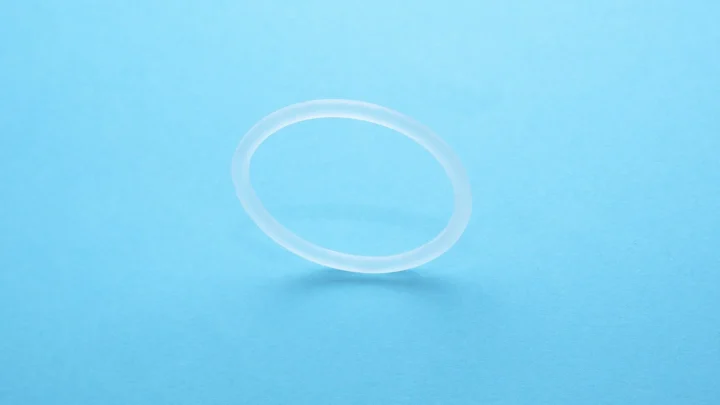
| O-ring and seal kit | Cheapest parts on the robot, guard the priciest ones | $10-30 | Years, kept out of heat |
A customer of mine kept exactly this shelf in his garage for six years running an Aiper Seagull Pro. When a track finally stretched past its limit two days before a graduation pool party, he had a fresh set on and working, and the party never knew there had been a problem at all.
Buy the next set as soon as the current one goes in, not when it starts failing. That way the shelf never actually runs empty.
The small parts nobody thinks to stock
Beyond the big four, a handful of minor consumables cause outsized headaches when they run out at the wrong moment.
Charging contact pads on cordless models corrode faster than owners expect in salt pools, and a spare set costs $10-20. Caddy wheels and casters seize or crack after a season in the sun, usually a $15-25 fix that keeps the whole storage routine working. Drive belts, on the models that use one instead of a direct gear connection, run $10-25 and fail with a sudden squeal rather than a slow warning.
None of these deserve a permanent shelf slot the way filters and brushes do. Knowing they exist and roughly what they cost, though, means a squealing belt or a corroded contact pad does not turn into an afternoon of confused searching.
Worth pricing out even if you do not buy yet
Two parts sit in a gray zone: expensive enough that stockpiling feels wasteful, but sudden enough in failure that knowing the number in advance saves a panicked search later.
A cord assembly for a corded robot, Hayward AquaVac 650 included, runs $100-250 depending on length. It rarely fails without warning; brush wear and glazing show up over weeks, but once the jacket splits or the swivel seizes for good, the robot is unusable until it is replaced.
A battery pack for a cordless model runs $80-300. Price yours out by year three so a fading pack does not become a panic purchase at whatever price the first search result offers.
Leave these to a bench: motors and boards
Drive motors, pump motors, and main control boards are where DIY replacement stops making sense for most owners, and it is worth understanding why rather than just taking the rule on faith.
These components live inside factory sealed housings built to keep water out for years at a time, and most are brushless DC motors paired to a controller board through calibration that is not always a simple plug and swap. Opening that housing yourself usually voids the remaining warranty on the spot, whether or not the repair works.
There is also a misdiagnosis risk. A robot that hums but will not climb often has a thirty dollar track problem wearing a hundred fifty dollar motor costume, and I have watched more than one owner buy the expensive part first and the cheap part never.
A board level repair at an independent shop typically runs $80-200 in labor before parts, and many manufacturers only sell boards to authorized service centers in the first place, which quietly answers the DIY question for you.
Watch out
Price a motor or board repair against a comparable new robot before committing. Past a certain age, the honest answer is often repair or replace math that favors replacing the whole machine.
Sourcing without guessing
Every part order starts with the model number sticker, usually on the underside of the shell or inside the filter bay, not the box the robot arrived in years ago.
Search that exact number on the manufacturer’s parts page or an authorized dealer first. Marketplace listings that match by photo alone are how owners end up with a track that is a millimeter off or a filter frame that will not seat.
Authorized dealer networks matter more than the price difference suggests. Trade groups like the Pool and Hot Tub Alliance support quality and safety standards that legitimate parts suppliers build toward, while a marketplace seller with no brand affiliation and a stock photo is a coin flip on both fit and material.
Once you have the right number, generic and third party options become a fair comparison rather than a gamble, since you are now matching fitment instead of guessing at it.
Pro tip
Write your model number on a piece of tape inside the equipment cabinet. It saves ten minutes of hunting every single time you order.

Building the shelf without overspending
- One spare filter set, matched to your exact model number.
- One spare brush set if your current one is within a season of due.
- A small O-ring and seal kit sized for the openings you actually service.
- A handful of correct stainless screws in the two or three sizes your robot uses.
- A tube of pure silicone grease.
That list runs $70-150 depending on your robot’s tier, costs one afternoon of online ordering, and covers the failures that actually strand a robot mid-season.
Buy the boring stuff early
Skip the exotic spares. A spare main board or motor sitting on a shelf loses relevance as firmware and revisions move on, while a filter set never goes out of date.
None of this requires a big first purchase. Build the shelf one part at a time as your own robot’s consumables come due, and within a season it fills itself.
Stock the four boring parts, price the two expensive ones so you know the number before you need it, and leave the sealed components to a service bench with the tools and training for them. The forty two dollars in that bin has paid for itself more times than I have bothered counting.
Frequently asked questions
Do third party parts void my robot's warranty?
Using third party consumables like brushes or filters generally does not void coverage on its own, since manufacturers cannot void a warranty simply for using a compatible part. What does void it is a third party part that damages another component, or opening a sealed motor or board housing yourself. Keep receipts for anything installed during the warranty window, just in case a claim comes up.
How do I find the exact part numbers for my robot?
Start with the model number sticker, usually on the underside of the shell or inside the filter bay, then search that number directly on the manufacturer's site or an authorized dealer. Many parts pages let you search by model rather than part name, which is faster and more accurate than browsing generic listings and guessing from a photo.
What should I do if my exact filter or brush set is out of stock everywhere?
Check for a close generic match by dimension rather than photo, and read reviews specifically for fitment comments before buying. A slightly undersized filter or brush still runs, just less effectively, so it can bridge a gap while the correct part is backordered. Avoid running the robot with no filter media at all in the meantime.
Is it worth keeping a spare power supply on the shelf?
For most owners, no, price it out instead. Power supplies fail less often than consumables and cost $40-90 to replace, but they are not a wear item on a schedule, so stocking one ties up money for a failure that may never come. Knowing the price and where to order it quickly is usually enough preparation.
Can I fix a cracked shell or housing myself?
Small hairline cracks away from seals can sometimes be sealed with an aquarium safe epoxy as a stopgap, but treat it as temporary. A crack near a gasket, screw boss, or seam is a path for water into places that were never designed to get wet, and a replacement shell or a bench repair is the honest fix once it is more than cosmetic.

Krisha Gupta
Krisha Gupta is a home-technology writer who spends most of her weekends knee-deep in pools, testing the latest robotic cleaners so readers don't have to. Her reviews are hands-on and jargon-free, focused on what a robot actually does when you leave it running unsupervised for eight hours. When she's not comparing brush patterns or waterline scrubbing, she's writing plain-English maintenance guides for pool owners who'd rather swim than tinker.